
Nickel testing helps people pinpoint allergy triggers and find effective solutions. Whether it’s a rash from a favourite pair of earrings or irritation from a belt buckle, identifying the right tools to conduct nickel testing is key.
The world of nickel testing has a variety of methods tailored to fit different needs. Patch testing, for example, involves placing a small amount of nickel against the skin to check for allergic reactions. This is usually done under the supervision of a dermatologist to ensure safety and accuracy.

For those who prefer a more tangible approach, Dimethylglyoxime (DMG) Spot Testing is a popular choice. This method involves applying a chemical solution to a potentially nickel-containing item. If it turns pink, nickel might be present. This DIY approach is quick and practical for everyday items.
X-Ray Fluorescence (XRF) Analysis offers a tech-savvy option. It employs sophisticated technology to analyze the composition of metals in products, providing results without altering or damaging the item. Ideal for manufacturers but can be costly for personal usage.
Laboratory-Based Spectroscopy provides detailed insights by analyzing samples at the molecular level. While incredibly precise, this method involves sending items to a lab and waiting for results, making it less convenient for immediate needs.
Each method comes with its own set of benefits and limitations. Patch testing offers direct skin correlation but requires professional assistance. DMG tests are accessible and easy for consumers yet might not always detect low levels of nickel. XRF is safe and non-invasive but costly, and spectroscopy’s precision is offset by its need for lab assistance.
Preventative care routines play a significant role in managing nickel allergies. Identifying which everyday items contain nickel helps in creating a plan for lifestyle adjustments to avoid flare-ups. Regularly checking items like jewellery and kitchen utensils with nickel testing solutions can effectually reduce allergic reactions.
Inside Nickel Solution Tests: Functionality and Recommendation
Nickel Solution test are like a personal detective agency for your allergy concerns. They can give you a clear way to identify nickel content in household items and even some consumer goods. Conducting these tests involves applying a special chemical solution onto the item’s surface to detect the presence of nickel. If there’s any nickel, you’ll typically see a colour change as a reaction, often turning pink or red.
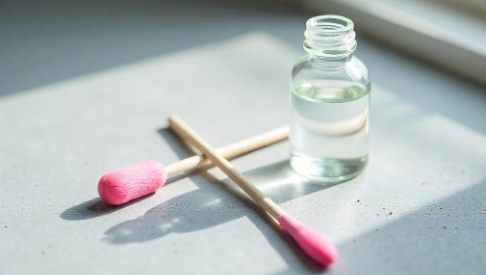
These tests are super handy because they help confirm if an item is a ‘friend or foe’ regarding nickel contact. By identifying potential triggers, these tests can play a big part in avoiding unwanted allergic reactions.
Accurate nickel solution tests come highly recommended for people prone to allergic reactions. Understanding exactly what triggers your symptoms empowers you to make informed decisions. Choose products that won’t make you uncomfortable and have peace of mind knowing you’ve taken precautions in your control.
Despite all the great things about nickel solution tests, there are a few challenges. These tests sometimes require professional handling to gain the most precise results, especially when testing more complex items or materials. Moreover, some tests may not detect trace amounts of nickel, demanding a careful approach and possibly additional testing methods to ensure comprehensive results. Nonetheless, these tests are a valuable part of a holistic plan for managing nickel allergies.
The idea of testing everyday items for nickel is something I hadn’t thought deeply about until recently, especially with how unpredictable allergic reactions can be. Do you find that certain test kits are more reliable than others in detecting trace amounts, or is there a risk of false negatives depending on how the test is performed? I’m also wondering how long the results typically last and does a positive result on a metal item mean it’s unsafe indefinitely, or can treatments or coatings alter that over time? The precision and practicality of testing seem crucial for anyone managing a nickel allergy, and I’d be curious to hear your thoughts on balancing accuracy with convenience.
Thanks for reaching out. Based on convenience alone most people would opt to use solution test kits to gauge what could be causing the allergic discomfort. For a more comprehensive view and to check how hyper sensitive you are, lab test would be a better option as they would cover more parameters. Regarding accuracy of the solution test. If the object surfaces are cleaned of any residue when applying, then your results should indicate a positive – however if the item has some type of coating or has even small traces of residue that could create a false negative. It really comes down to personal preference and convenience of testing.