
What are Barrier creams (why you need them for nickel allergy )
Nickel sensitivity is a bit of a tricky customer. It’s one of the most common causes of allergic contact dermatitis. If you’ve noticed itchy, red, or inflamed skin after wearing jewellery or using certain gadgets, you’re in the right club. This sensitivity arises because the skin reacts to even small amounts of nickel found in everyday items.
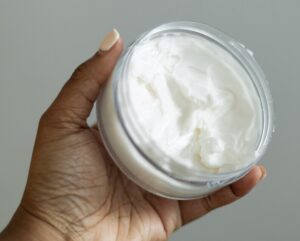
Enter barrier creams, the superheroes in our story. They act like invisible shields, blocking nickel from coming into direct contact with your skin. These creams help prevent irritation and put an end to those unwanted itch fests.
Navigating the world of store-bought options can be a mission, so I’ve rounded up a few barrier creams you might want to consider for your arsenal. Brands like:
- Gloves in a Bottle
- Cavilon Durable Barrier Cream
- NIK–L–BLOK
- Aveeno
- Medline
- Desitin
Other contenders such as CeraVe and SkinMD offer robust protection without breaking the bank.
If you prefer more natural solutions or love getting crafty, DIY remedies could be your staple. Think humble kitchen heroes like coconut oil or shea butter, but with an allergy-protective twist. They can be effective at forming a barrier while keeping your skin soft and moisturized.
Got a big event? Applying a barrier cream before wearing costume jewellery or using new gadgets can save you from unexpected flare-ups. Whether it’s a wedding band or a new phone case, a pre-emptive strike with these creams can be a game-changer.
Hold up! Some people might actually react to certain ingredients in barrier creams. If your skin’s saying “no thanks,” check the product’s label for any known allergens, or consult with a dermatologist to find a safer option.
To get the most out of your barrier creams, be consistent. Applying them regularly, especially before exposure, is key. Always go for a patch test first so you can sidestep any surprises along the way.
Exploring Coating Solutions for Nickel Sensitivity
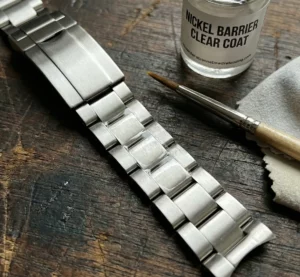
Coatings work like the ultimate bouncers, stopping nickel right at the door. These thin layers, applied over metal surfaces, can prevent direct contact that often leads to those dreaded skin reactions. Clear nail polish is often a go-to DIY quick fix option that really packs a punch, however, may not work for some.
When levelling up your search and shopping for coatings, you might find options like ProtectaClear by Everbrite products, or Nickel Guard, designed to shield your skin from nickel. They create a durable, non-toxic layer that’s handy for everything from belts to jeans’ studs.
Homemade solutions:
For crafty DIYers some solutions could be right up your alley. Think of simple hacks like applying layers of clear, skin-safe polish to a belt buckle or using resin top coats on jewellery. These homemade solutions can be effective and budget-friendly for small items.
To make sure coatings do their job, use them wisely. Apply them evenly and wait for them to dry completely before putting your skin in contact with treated items. This avoids those “not so true” barriers which might not hold up under real-world use.
But beware, coatings aren’t immune to wear and tear. If you’re using coatings, it’s important to regularly reapply them, especially if the item is frequently handled, exposed to water, high heat and humidity or constant movement.
Check for potential allergies here too, though they’re less common than with creams. If you experience irritation after using a coating solution, it might be good to try a different product or formulation that’s hypoallergenic.
When considering coatings, the cost vs. effectiveness balance is key. You might find spending a bit more on a trusted brand can save both skin and money in the long run. There’s plenty of feedback from users online that can offer insights into which coatings last or need less TLC.
Final note – Hearing from others who’ve walked the same path with you can be comforting. Many have found success stories using coatings alongside barrier creams for a complete protective solution, making them feel at ease when handling nickel-laden items.
Either way you slice it there are readily available options on how you want to approach keeping your skin flare up free..
What an interesting niche, my sister actually has a nickel allergy and just completely avoids it. Super interesting and love the McGyver like solutions. Definitely will pass along to her and might even try some of these solutions for other sensitives I have and general upkeep and maintenance around the home, car and office.
Thanks for your input John. I hope some of the suggestions are able to help your sister.
I appreciate how you broke down both barrier creams and coating solutions, because managing nickel allergy often feels like a constant trial and error. In my experience, combining a durable barrier cream with a more permanent coating on high-contact items like belt buckles or watch backs tends to give better long-term relief than relying on just one approach. I also think your reminder about patch testing and checking ingredient lists is key, since people with nickel sensitivity often have reactive skin and need truly hypoallergenic products.
Thanks Aly,
Preparation combined with multi pronged approach goes along way in helping protect your body against nickel sensitivity.