
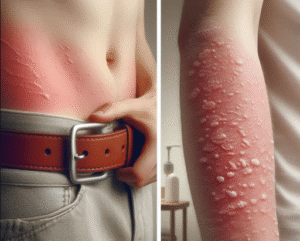
What Is Nickel Allergy?
Nickel allergy is a type of allergic contact dermatitis caused by skin contact with nickel-containing items such as jewellery, eyeglass frames, coins, and belts. It typically leads to itching, redness, and rash at the contact site. Diagnosis is confirmed through patch testing, and management focuses on avoiding nickel exposure and reducing inflammation
Understanding Nickel Allergy
Nickel allergy is a common cause of allergic contact dermatitis — a skin reaction triggered when nickel comes into contact with your skin.
What makes this tricky is how often nickel shows up in everyday life. It’s not just about jewellery — it can be found in items like eyeglass frames, coins, keys, belt buckles, and even electronics.
In many cases, people don’t even realize what’s causing their reaction until it happens repeatedly. You might be wearing that same watch, or handle the same items daily without ever thinking twice — until your skin starts reacting.
Nickel allergy doesn’t discriminate by age, but it tends to appear more frequently in women. This is often linked to increased exposure through jewellery and accessories.
Common Symptoms of Nickel Allergy
✔ Itching or irritation
✔ Redness or rash
✔ Dry patches or rough skin
✔ Small bumps or blisters
In more sensitive cases, the reaction can include headaches and become uncomfortable or even painful over time.
One important thing to note: reactions don’t always happen instantly. In many cases, symptoms can appear 24–72 hours after exposure, making it harder to identify the trigger right away.
What Causes Nickel Allergy?
The exact cause isn’t always clear, but a few key factors play a role:
✔ Genetic predisposition — if it runs in your family
✔ Repeated exposure over time — builds sensitivity
✔ Environmental triggers — sweat, friction, and moisture
For some people, it develops gradually. Others may suddenly react to items they’ve used for years without issues.
Real-world insight:
Even items labeled as “safe” or “hypoallergenic” can sometimes contain trace amounts of nickel — enough to trigger a reaction in more sensitive individuals
If someone in your family has a nickel allergy, you’re more likely to develop it. Environmental factors like prolonged exposure to nickel items also contribute. For some, even a brief encounter can set off a reaction.
How Nickel Allergy Is Diagnosed
If you suspect nickel allergy, proper diagnosis is key.
The most common method is a patch test, where small amounts of allergens are applied to your skin and monitored over 48–72 hours period.
This helps identify exactly what your skin is reacting to — removing all the guesswork.
Getting a confirmed diagnosis early can save you from ongoing irritation and help you make better choices moving forward
Comparing Nickel Allergy with Other Skin Conditions
Not all skin reactions are the same, and it’s easy to confuse nickel allergy with other conditions.
Nickel Allergy
Localized reaction at contact point
Itching, redness, blisters
Eczema
Widespread dry, itchy skin
Often triggered by environment or stress
Psoriasis
Thick, scaly patches
Related to immune system activity
Understanding these differences helps you avoid misdiagnosis and choose the right treatment approach.
Living with Nickel Allergy
Managing nickel allergy often means becoming more aware of your surroundings.
Nickel can show up in unexpected places like:
Smartphones and laptops
Keys and coins
Zippers and buttons
Watch backs and eyeglass frames
✔ Switching to nickel-free alternatives helps reduce reactions
✔ Protective coatings can create a barrier on metal surfaces
✔ Simple habits (like covering metal buttons) can make a difference
Practical insight:
Complete avoidance isn’t always realistic. Many people find success by combining avoidance with protective strategies like coatings or barriers.
Nickel allergy impacts more than just the skin; it can affect your lifestyle and even your mental well-being. Constant itchy, with inflamed skin can be frustrating and exhausting. Connecting with support groups, either online or in person, provides a network of people who understand and share practical advice. Hearing other peoples stories can be encouraging and offer insights you might not have considered.
For those with a nickel allergy, mental health care is just as important as skin care. Regularly practicing stress-relief activities, such as yoga or meditation, can help mitigate the flare-ups that stress might trigger. Balanced nutrition and staying hydrated also play a role in maintaining good skin health. Remember, managing nickel allergy is a marathon, not a sprint. Patience and persistence are your best allies.
Treatment and Prevention Strategies
Managing symptoms comes down to both treatment and prevention.
Short-Term Relief
✔ Hydrocortisone creams (for mild flare-ups)
✔ Prescription corticosteroids (for stronger reactions)
✔ Antihistamines to reduce itching
Natural Soothing Options
✔ Cool compresses
✔ Oatmeal baths
✔ Aloe vera gel
Long-Term Prevention
✔ Choose nickel-free products
✔ Use protective covers or coatings
✔ Test items with nickel test kits
✔ Limit prolonged skin contact with metals
If symptoms persist, consulting a dermatologist is always the best next step.
Understanding these differences is crucial for effective management. While all skin allergies involve some level of discomfort, knowing what sets each one apart helps in navigating treatment and lifestyle adjustments
Frequently Asked Questions About Nickel Allergy
What are the first signs of nickel allergy?
The first signs usually include itching, redness, or irritation where the metal touches your skin. This can develop into a rash, bumps, or dry patches over time.
How do you know if a rash is caused by nickel?
Nickel rashes typically appear exactly where the metal made contact. A patch test performed by a dermatologist can confirm the cause.
Can nickel allergy develop later in life?
Yes, it can develop at any age due to repeated exposure over time, even if you’ve never reacted before.
What items commonly contain nickel?
Common sources include jewellery, belt buckles, coins, keys, eyeglass frames, and electronics like phones and laptops.
Is nickel allergy permanent?
Nickel allergy is usually long-term. While symptoms can be managed, the sensitivity itself typically remains.
How can you prevent nickel allergy reactions?
Avoiding direct contact with nickel, choosing nickel-free products, and using protective coatings are the most effective strategies.
What is the best treatment for nickel allergy?
Treatment includes avoiding exposure and using topical corticosteroids to reduce inflammation. Severe cases may require medical treatment.
Still Have Questions?
Have you noticed certain items triggering your skin more than others? Identifying your personal triggers is often the first step toward better control and fewer flare-ups.