
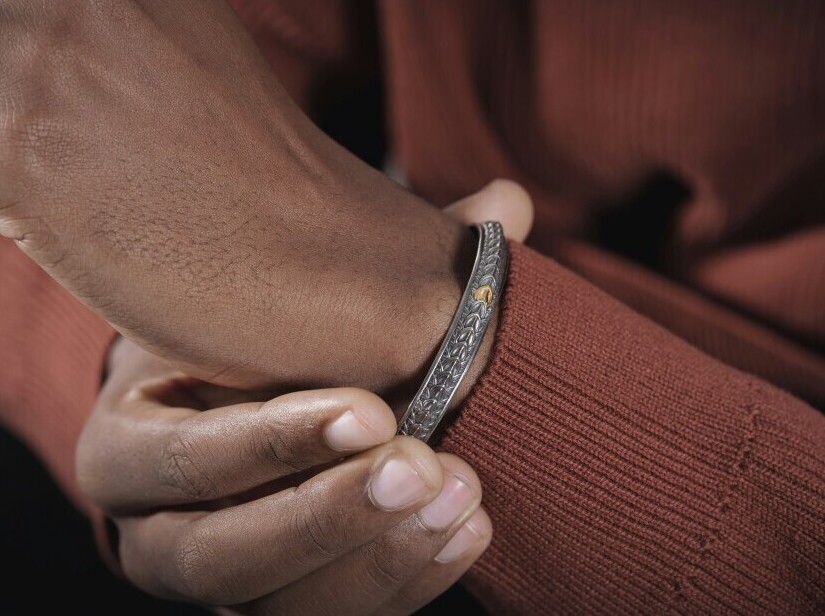
Are you dealing with an annoying rash or redness from wearing a new piece of jewellery? It might be nickel—that pesky allergen hiding in many metal accessories.
So, what’s the deal between nickel-free and hypoallergenic jewellery? While both cater to sensitive skin, nickel-free jewellery contains zero nickel outright, whereas hypoallergenic pieces might contain nickel but with a coating or blend meant to minimize reactions.
Steering clear of nickel in your jewellery isn’t just about ditching irritation. It’s about embracing comfort and health. Those with nickel allergies know it can cause anything from redness, headaches, and swelling to more severe reactions over time. By choosing nickel-free options, you’re essentially giving your skin a big, comfy hug with every wear.
What Materials That Make the Cut
Keep your eyes out for stainless steel, titanium, and platinum—just a few popular options. They’re sleek, durable, and won’t leave your skin wincing in discomfort. Plus, they hold up well whether you’re hitting the gym or heading out for a night on the town. Going nickel-free doesn’t mean compromising on style or sturdiness.
Top Nickel-Free Jewellery Choices for Men and Women
When it comes to the accessory game, finding the right nickel-free jewellery can be a real lifesaver for your skin—and your style.
For men, options are anything but dull. Think sleek surgical-grade titanium rings that can take on the workplace or a night out, and sporty medical-grade stainless steel watches that pair well with just about anything.
For women, the treasure trove of choices is endless. From dainty yellow and rose gold-plated earrings to statement necklaces, it’s about picking pieces that bring out your best while playing nice with your skin.
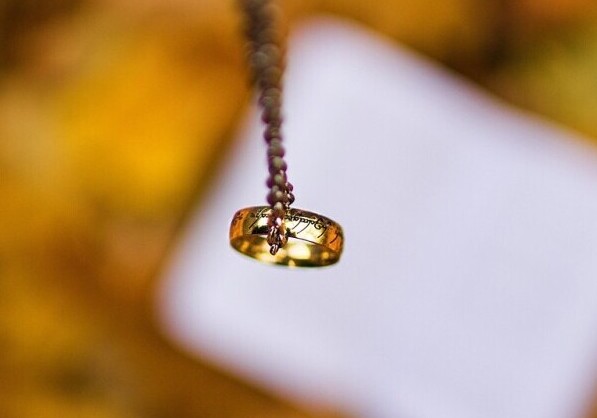
Look for materials like niobium or platinum, which offer that luxe feel without any of the itches or irritation—along with silicone (lightweight, flexible), tungsten carbide (nickel-free versions, though some may contain cobalt), and argentium silver (a pure silver alloy with added germanium).
Choosing the Right Piece
How do you pick the best piece for you? Casual wear demands something different from office attire or fancy dinners. Consider when and where you’ll be rocking your nickel-free bling.
Also, check the fit and finish—after all, a good piece shouldn’t just look good; it should feel good to wear for hours on end. Fashion shouldn’t be a pain—literally.
Whether you’re opting for minimalist styles or bold statement pieces, nickel-free jewellery lets you express yourself without sacrificing comfort. It’s like finding that perfect pair of jeans; when it fits right and feels right, you just know.
Create Your Own Nickel-Blocking Jewellery
It’s all about expressing that unique flair without worrying about nickel. Making your own nickel-blocking jewellery can be a fun and creative outlet. Start with a few essentials like sterling silver or copper—a fabulous base that won’t irritate.
Thinking of a favourite piece you’ve put aside due to allergy woes? With some special coatings designed to seal metals, like jewellery shield or clear nail polish, you can transform them into skin-friendly accessories. It’s all about adding a protective barrier between you and the nickel, keeping those reactions at bay.
But wait, there’s more to it than just splashing on a coat. Regular maintenance is key—occasionally reapplying your chosen barrier ensures long-lasting protection. Clean your pieces gently to avoid chipping off that protective shield. Treat them with care, like any precious piece in your collection.
Crafting your own nickel-blocking jewellery isn’t just cost-effective—it gives you the power to enjoy fashion on your own terms. Whether you view it as a hobby or a savvy way to save, it’s about mixing creativity with comfort, letting your style shine without the irritation.
DIY Barrier Creams: A Skin-Saving Backup
Even with the best nickel-free jewellery, sometimes an old favourite sneaks back into rotation—or maybe you can’t resist a piece that isn’t 100% nickel-free. That’s where DIY barrier creams come in handy. Think of them as a lightweight shield between your skin and the metal.
- Petroleum Jelly + Zinc Oxide: Mix a spoonful of plain petroleum jelly with a pinch of zinc oxide powder (often found in diaper creams). Dab a thin layer on spots where jewellery touches your skin. It’s invisible, long-lasting, and adds a little extra protection.
- Beeswax + Shea Butter Balm: Melt together a small amount of beeswax and shea butter, then let it cool into a soft balm. Rub lightly on earring posts, rings, or watch clasps before wearing. Not only does it block nickel, but it also keeps your skin moisturized.
The key? Reapply as needed, especially if you’re washing your hands often or wearing a piece all day. These quick fixes don’t replace true nickel-free jewellery, but they’re a handy trick when you just can’t part with a certain accessory.
Navigating Unique Nickel-Free Jewellery Options
Once you’ve got your style set on nickel-free jewellery, why not spice it up with unique pieces crafted from standout materials?
Take titanium and stainless steel, for instance. They’re like the reliable buddies of the jewellery world—looking good and standing strong against everyday wear and tear.
There are other great finds to be had out of wood (handcrafted, unique), acrylic (a safe, nickel-free choice for fun, lightweight fashion jewellery), ceramic (scratch-resistant, durable), resin, and even 3D printed materials (lightweight and customizable).
Finding these unique options doesn’t have to feel like a treasure hunt. Online marketplaces, local jewellers, or even artisan craft fairs often carry fantastic selections of nickel-free designs. While it’s tempting to settle for something easy, taking that extra step to find certified nickel-free brands pays off.
Caring for Your Nickel-Free Jewellery
Want to keep your nickel-free pieces as dazzling as the day you bought them? Spot-cleaning with gentle solutions and storing them away from moisture does the trick. You’re not just investing in jewellery; you’re investing in worry-free style that’s designed for the long haul.
Final Thoughts
Go for it. Think of the type of piece you’d like to wear, then look for it. Whether you’re shopping for yourself or as a gift, nickel-free jewellery is a win-win: timeless style without the itch, irritation, or worry.
Thank you for sharing such a detailed and empathetic exploration of hypoallergenic materials. I truly appreciate the distinction you made between “nickel-free” items (which contain no nickel at all) and “hypoallergenic” ones (which may include nickel but are designed to minimize reactions). That clarity helps anyone navigating the confusing jewelry market.
Your recommendations for materials like stainless steel, titanium, platinum—and especially highlighting how they remain both sleek and durable—hit home for me. Those metals really do offer both style and comfort, whether someone is active or simply enjoys wearing jewelry throughout the day.
I was curious—are there any considerations or tips for someone who might be extremely sensitive, even to materials like sterling silver or stainless steel that sometimes contain trace nickel? Also, in your experience, how do brands usually label nickel-free versus hypoallergenic? It can get confusing, and your guidance would help readers shop with more confidence.
Thank you again—this makes choosing jewelry feel effortless rather than a game of guesswork!
Thanks Leahrae.
Like you I’m hypersensitive so always looking at labels that include nickel free along with hypoallergenic is a good start. If you might react to stainless steel some better choices could surgical grade titanium or niobium – The key is to always keep looking at what the item is made from.
Hope this helps
I agree with the article’s central message that fashion should not come at the cost of personal discomfort or health. For individuals with nickel allergies, the simple act of wearing jewelry can be a source of frustration and pain. This article serves as a vital resource by not only explaining the problem but also offering a range of practical, well-thought-out solutions. The fact that you have personal experience with this issue adds a layer of authenticity and makes the advice feel more trustworthy and empathetic. The article successfully turns a potentially frustrating topic into an empowering guide for making safer, more comfortable choices.
This is such a helpful and clear guide for anyone with sensitivities. The breakdown you provide of specific materials like titanium, niobium, and medical-grade plastics gives a lot of options beyond the usual stainless steel recommendation. The tip about checking for nickel content in white gold is something many people wouldn’t think to do.
People often assume that “hypoallergenic” means completely inert, but it’s useful to remember that individual reactions can still vary, even to materials generally considered safe.
You mentioned that titanium is lightweight and very hypoallergenic. For someone with a severe sensitivity, is there a noticeable difference in reactivity between commercially pure titanium and a grade like Ti-6Al-4V? Also, for plated items, in your experience, how long does a high-quality plating typically last on a ring that’s worn daily before it might need re-plating?
Embracing jewelry choices that are genuinely nickel-free feels like a silent act of self-care for anyone with reactive skin. It’s empowering to see dependable metals like titanium, niobium, stainless steel, and platinum highlighted, not just as style options, but as thoughtful companions that prioritize comfort alongside aesthetics. Particularly striking is how the article underscores that nickel-free doesn’t mean sacrificing durability or design flair. Modern wearable pieces can be both sophisticated and skin-friendly. I also appreciate the mention of materials beyond the usual suspects, like silicon, tungsten carbide (nickel-free variants), and argentium silver; those nuances reveal real care for diverse wearer needs. This approach doesn’t just inform, it shifts the narrative around hypoallergenic jewelry from being a medical afterthought to something stylish and intentional.